

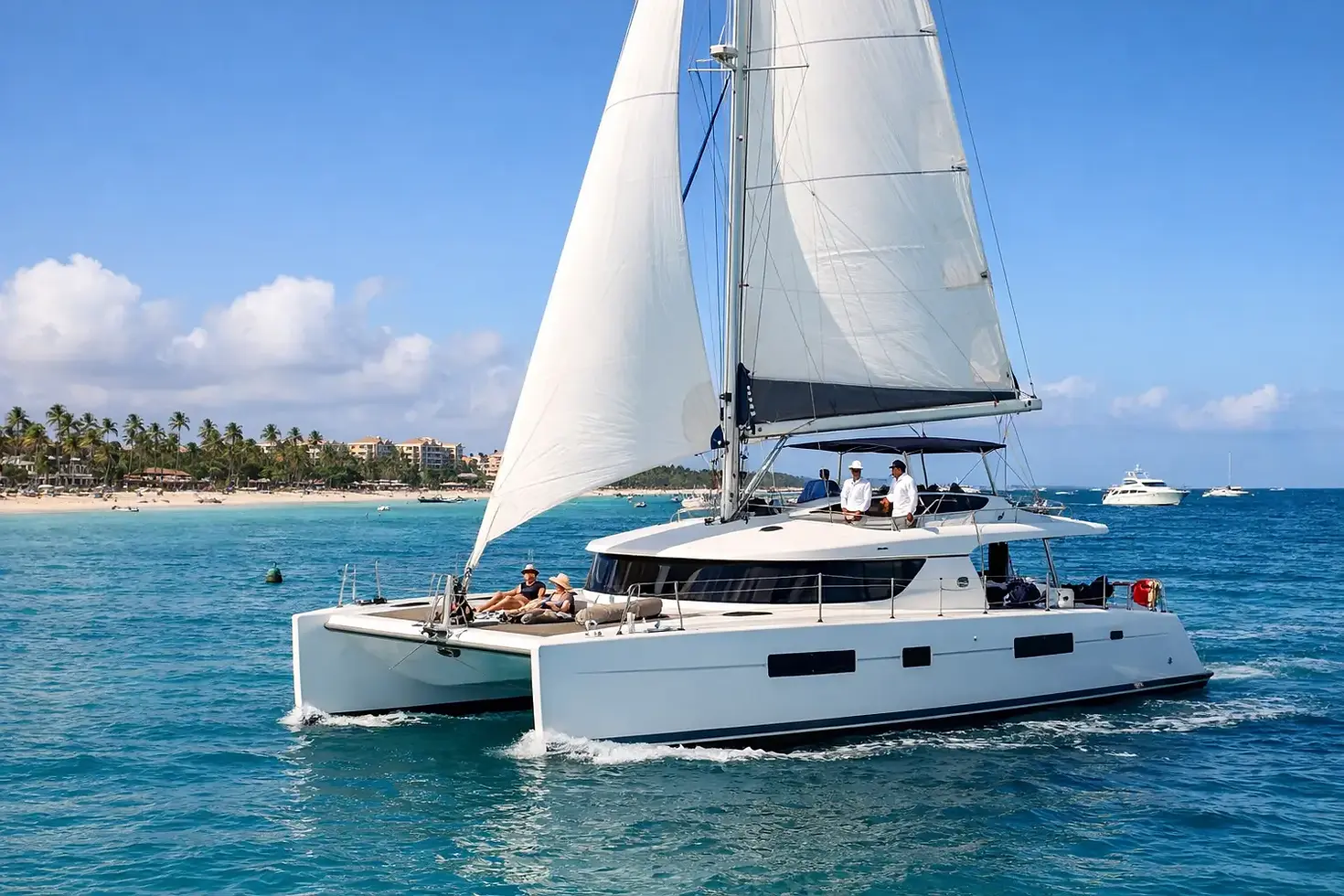
Crew Vetted Charters Aruba: What to Look For

That glossy sunset photo tells you almost nothing about the people running the boat. When travelers search for crew vetted charters Aruba, what they usually want is not just a beautiful vessel - they want confidence that the captain is capable, the crew is attentive, and the entire experience will feel polished from boarding to return.
That distinction matters more than most visitors realize. A boat can look impressive online and still deliver a disappointing day on the water if the crew is disorganized, inattentive, or cutting corners on safety and upkeep. On the other hand, a well-run charter with the right crew can elevate everything - the pace of the day, the quality of service, the way guests are handled, and even how relaxed you feel once you step aboard.
Why crew-vetted charters in Aruba matter
In a destination market, many guests are booking from thousands of miles away. They are comparing photos, price points, and a handful of reviews, often without any real way to judge whether the operator behind the listing is consistent. That creates a common problem: travelers shop for the boat, when they should also be shopping for the crew.
A crew-vetted charter is not just a charter with a licensed captain. It suggests a higher standard of scrutiny. You want to know whether the crew shows up prepared, whether the vessel is maintained to a standard that matches its marketing, whether the hospitality feels refined or rushed, and whether the operator has a pattern of delivering what was promised.
This is especially relevant for families, celebratory groups, and couples booking a premium experience. If you are planning a proposal cruise, a birthday sail, or a private afternoon with children on board, the cheapest acceptable option is rarely the right one. The gap between "fine" and "excellent" is often the crew.
What "crew vetted charters Aruba" should actually mean
The phrase sounds reassuring, but it can be used loosely. A true vetting process should go beyond a basic check that the boat exists and is available for rent. It should include firsthand knowledge of the captain, the condition of the vessel, the consistency of service, and whether the onboard experience matches the expectations being sold.
That means looking at details most guests never see in advance. Is the crew professional under pressure, or only friendly when everything is easy? Do they maintain a calm, confident atmosphere with children, older guests, or first-time boaters? Are they attentive without hovering? Do they know how to pace a charter so it feels effortless rather than improvised?
Good vetting also includes visual honesty. Outdated listing photos are common in charter markets. A boat that photographed beautifully three years ago may no longer present that way today. Cushions fade, hardware ages, heads become tired, and wear becomes visible. If no one is checking those details in person, the guest absorbs the risk.
The signs of a charter crew worth paying for
A strong crew tends to reveal itself in subtle ways. Communication is one of the first. Before the charter even begins, the best operators are clear about meeting points, timing, weather expectations, guest needs, and what is included. They are not vague, reactive, or hard to pin down.
Once onboard, professionalism should feel natural. The captain should inspire confidence without theatrics. The crew should know when to engage and when to give guests space. Service should feel intentional, not transactional. If catering, drinks, or water activities are part of the day, those elements should appear coordinated rather than patched together.
Safety is another dividing line. Guests often assume all charters operate at a similar standard, but that is not always true. The best crews treat safety as part of hospitality, not as a box to check. Briefings are clear. Equipment is accessible. Boarding assistance is handled smoothly. The vessel itself looks cared for, not cosmetically staged for photos.
Then there is judgment. This is harder to measure from a listing, but it shapes the entire experience. A seasoned crew understands route planning, wind conditions, guest comfort, and timing. They know when to adjust the day rather than force a plan that no longer fits the conditions.
Where travelers get it wrong
Price-first booking is the most common mistake. A low advertised rate can hide a lot: a tired boat, a minimally engaged crew, short pours on inclusions, weak service standards, or a generally less refined experience. That does not mean the highest-priced option is automatically best. It means price without context is a poor filter.
The second mistake is assuming reviews tell the full story. Reviews can be helpful, but they are uneven. Some guests are easy to please. Others may leave five stars because the weather was perfect, even if the operation itself was average. Reviews also tend to reward the broad outcome of the day, not the underlying standards of maintenance, crew discipline, or consistency.
The third mistake is booking based on boat type alone. Travelers often start with "catamaran or yacht" when the better starting point is how they want the day to feel. Quiet and romantic requires a different crew dynamic than lively and social. A family with younger children needs something different from a friend group celebrating. The right vessel matters, but the right crew-vessel match matters more.
How a real concierge screens crew-vetted charters Aruba
A proper screening process is not built from search results. It comes from local, repeated exposure to boats, captains, marinas, and maintenance standards. Someone who knows the market from the inside can spot the difference between a boat that photographs well and one that is actually run well.
That is the advantage of an independent concierge model. Instead of pushing one owned vessel no matter what the guest needs, a knowledgeable advisor can compare multiple operators and make recommendations based on fit, not convenience. That creates better alignment for the guest and better accountability for the operator.
In practical terms, this means evaluating vessels in person, paying attention to upkeep, observing how crews present themselves, checking whether listings reflect reality, and understanding which charters consistently deliver for specific guest types. A six-person anniversary sail, for example, should not be matched the same way as a larger private party looking for a higher-energy afternoon.
At Aruba Best Charters, that protective layer is central to the experience. The point is not to overwhelm guests with options. It is to narrow the field to charters that have earned trust.
Matching the crew to the occasion
Not every excellent crew is excellent for every kind of charter. That is where nuance matters.
Some crews are strongest at calm, discreet hospitality. They are ideal for couples, multigenerational families, and travelers who want a refined pace with minimal friction. Other crews are better suited to celebratory groups that want a more social atmosphere while still expecting professionalism and order. Neither approach is wrong. The mismatch is where problems begin.
Group size matters too. A smaller vessel can feel far more luxurious than a larger one if the service is attentive and the layout suits your group. At the same time, trying to save money by squeezing too many guests onto the wrong boat usually changes the mood of the day. Space, staffing, and service style all work together.
This is also why travelers should be honest about priorities. If food quality, premium drinks, snorkeling support, or a more elevated hosting style matter to you, that should shape the recommendation from the start. The best charter experiences are designed around those expectations, not retrofitted after booking.
What to ask before you book
If you want a better result, ask better questions. Not just "What does it cost?" but "Who will be running the trip?" Ask whether the vessel photos are current, how the crew handles children or non-swimmers, what the boarding process is like, and what happens if conditions change.
Ask how this specific charter differs from others in the same price range. Ask whether the onboard experience is best for a quiet day, a social group, or a celebration. Ask what is included in a way that leaves little room for interpretation.
A good provider will answer clearly. A weak one will rely on broad promises and polished images.
The right boat can give you a memorable day. The right crew gives you the kind of confidence that lets you actually enjoy it. That is usually the difference between a charter that looked good online and one you still talk about after the trip is over.


Comments